

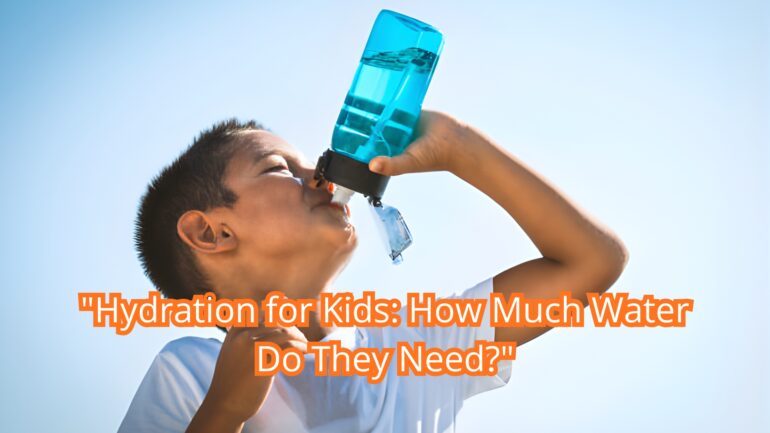
Hot and humid weather can take a bigger toll on children than we often realize. Because their bodies heat up faster and they tend to stay active for long periods, kids lose fluids quickly through sweat. The tricky part is that many children don’t naturally recognize or respond to thirst, especially when they’re busy playing. This is why hydration during hot weather isn’t just important—it needs to be intentional.
Why Hydration Matters More in Hot Weather
In warmer climates, fluid loss happens throughout the day, not just during outdoor play. Even simple activities like walking, running around the house, or sitting in a non-air-conditioned environment can contribute to dehydration. When the body doesn’t get enough fluids, children may feel tired, irritable, or uncomfortable without clearly knowing why. In more serious cases, dehydration can lead to heat exhaustion. This makes it important for parents to stay one step ahead rather than waiting until their child asks for a drink.
How Much Water Does Your Child Need?
The amount of water a child needs depends on their age, activity level, and the surrounding temperature. Generally, younger children such as toddlers require around one liter of fluids per day, while older children may need closer to two liters. However, these numbers aren’t fixed. On hot days, when children sweat more, their fluid needs naturally increase.
Instead of focusing strictly on exact measurements, it’s more practical to ensure your child is drinking consistently throughout the day. Small, frequent sips are far more effective than expecting them to drink a large amount at once. A good sign your child is well hydrated is clear or light-colored urine and steady energy levels during the day.

Does Milk Count as Hydration?
Milk does contribute to your child’s daily fluid intake because it is made up mostly of water. At the same time, it offers important nutrients such as calcium, protein, and essential vitamins, which support growth and development. This makes milk a valuable part of a child’s diet, especially when it comes to overall nutrition.
However, milk should not replace water as the main source of hydration. Drinking too much milk may reduce a child’s appetite for proper meals, and it doesn’t hydrate the body as efficiently as plain water in hot conditions. The best approach is to view water as the primary source of hydration, while milk plays a supporting role by providing both fluids and nutrients.

Best Hydration Routine for Kids
Building a simple hydration routine can make a big difference. Rather than relying on thirst cues, parents can gently incorporate drinking habits into everyday moments. Offering water after waking up, before and after meals, and during playtime helps children stay hydrated without feeling forced.
Making hydration fun can also encourage better habits. Some children respond well to colorful bottles, straws, or even setting “water break” moments during play. Including water-rich foods like fruits can also help increase overall fluid intake naturally.
Signs Your Child May Not Be Drinking Enough
Dehydration doesn’t always appear suddenly—it often shows up through small, easy-to-miss signs. A child who is not drinking enough fluids may have dry lips, darker urine, or seem more tired than usual. They may also become slightly irritable or less active during the day. In hot weather, these signs can develop faster, so it’s important to pay attention and respond early.
What to Avoid
While it may be tempting to offer flavored drinks or juices, these are not the best options for hydration. Sugary beverages can actually interfere with proper fluid balance and may reduce a child’s willingness to drink plain water. Relying too heavily on milk instead of water can also limit effective hydration, especially during hot days.
Conclusion
Keeping your child well hydrated during hot weather doesn’t require complicated rules. What matters most is consistency. Offering fluids regularly, encouraging small sips throughout the day, and maintaining a balance between water and nutritious drinks like milk can go a long way.
At the end of the day, hydration is not just about how much your child drinks—it’s about how often they drink and how well their body responds. By building simple, consistent habits, parents can help their children stay comfortable, active, and healthy even in the hottest weather.