
A toddler tantrum usually involves crying, screaming, or even kicking when a young child feels overwhelmed by emotions. Toddler tantrums can exhaust parents, but they are a normal and healthy sign of growing independence. Young children experience intense frustration and often lack the words to express it. Experts suggest responding to a toddler tantrum with calm and empathy rather than punishment. Below, we explain why toddler tantrums happen and share gentle, research-backed tips to handle meltdowns calmly. In many homes with extended family, a unified calm approach can help toddlers and older kids navigate tough moments together.

Why Toddler Tantrums Happen
Toddler tantrums happen for several common reasons. Toddlers crave independence but cannot yet communicate their needs clearly. Even a small change, like being given a blue cup instead of a green one, can trigger a toddler tantrum. These meltdowns are more likely when a child is tired, hungry, overstimulated, or frustrated.
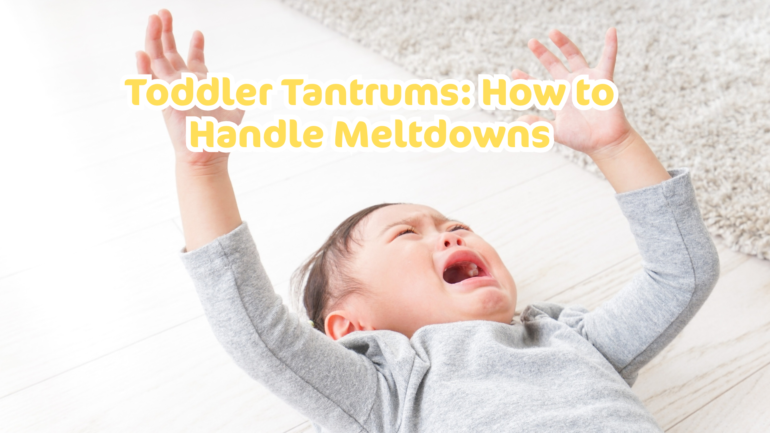
A toddler tantrum may look dramatic, with crying, screaming, or throwing themselves on the floor, but it usually lasts only a few minutes. As a child’s language and emotional regulation improve, toddler tantrums naturally become less frequent and less intense.

Gentle Parenting and Toddler Tantrums
Gentle parenting sees a toddler tantrum as an opportunity to connect and teach, not to punish. This approach is warm but still sets clear limits. Gentle parents stay calm and validate feelings instead of scolding or threatening.
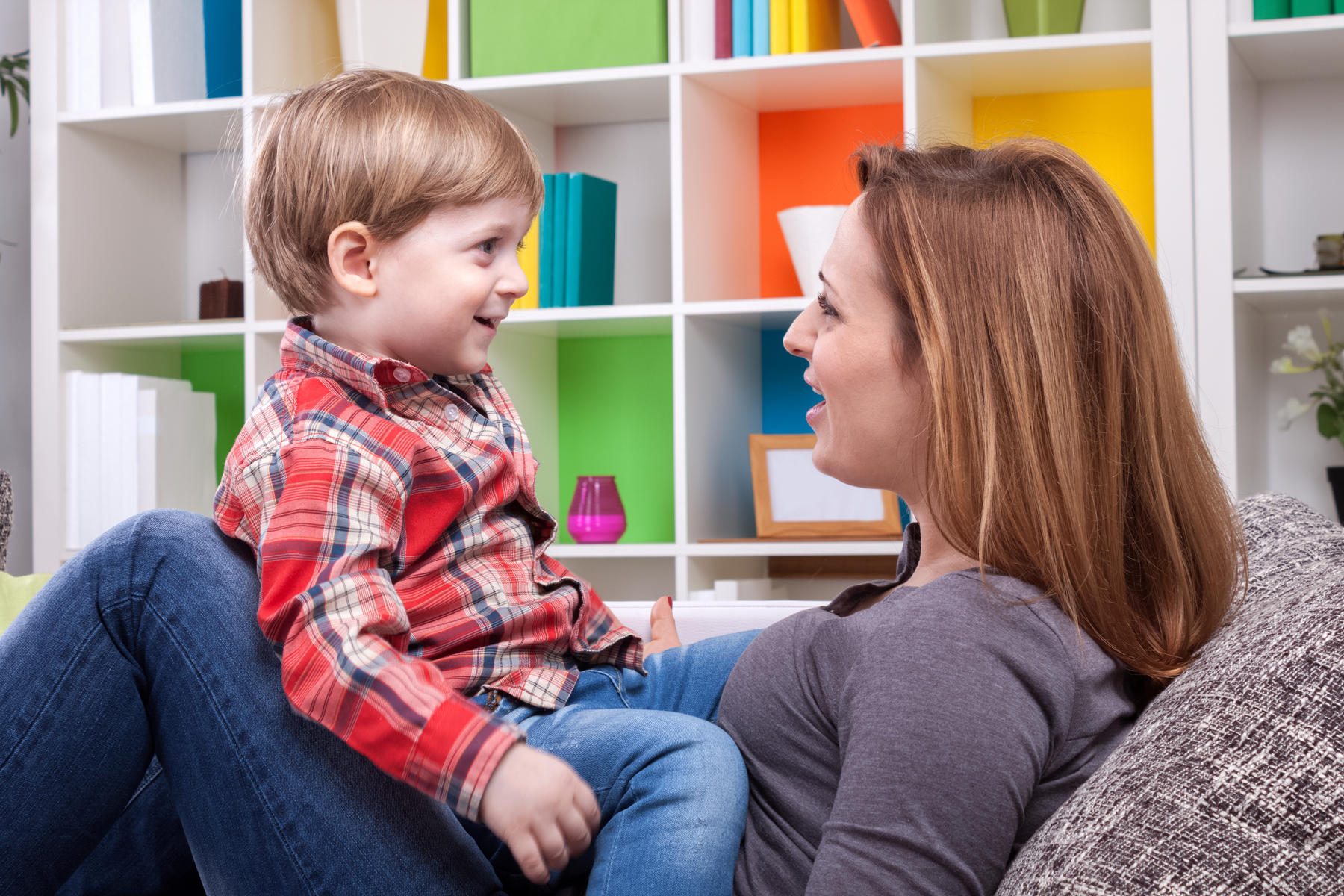
For example, during a toddler tantrum, you might kneel to your child’s level and say, “I see you’re upset,” rather than raise your voice. This helps your child feel understood and supported while learning how to manage strong emotions.
Gentle parenting is not permissive. It is an authoritative style that combines structure with empathy. Over time, this approach helps reduce the intensity of toddler tantrums and builds emotional security.
Imagine a toddler waking from a nap calling for Mama, but Mama is not there. A gentle response to this toddler tantrum would be to sit nearby, say, “I’m here, I know you’re upset,” and offer a hug. In households with grandparents or older siblings, everyone can model this calm support. The child learns that big feelings are met with comfort, not anger.

Tips to Handle a Toddler Tantrum Calmly
Stay calm yourself. Take slow breaths and speak in a soft, steady voice. Your emotional state directly affects how quickly a toddler tantrum settles.
Stay nearby. Get down to your child’s level and offer physical comfort if they allow it. Your presence reassures them that they are safe.
Validate feelings. Say things like, “You’re really angry right now.” Acknowledging emotions helps your child feel heard and reduces the intensity of a toddler tantrum.
Set gentle limits. You can say no kindly but firmly, such as, “Snack time is over.” Offer simple choices like “Apple or banana?” so your child feels some control.
Prevent common triggers. Keep routines consistent and give warnings before transitions. This can significantly reduce toddler tantrums.
Distract or redirect. If you sense a toddler tantrum building, gently shift attention to a new activity or toy.
Handle public toddler tantrums wisely. Move to a quieter spot, speak calmly, and focus on comforting your child. Most people empathize more than they judge.
Talk after the tantrum. Once your child has calmed, briefly discuss what happened and suggest better ways to express feelings next time.

FAQs About Toddler Tantrums
Q: Isn’t gentle parenting just being permissive?
No. Gentle parenting still includes firm boundaries. It helps children regulate emotions during a toddler tantrum without using fear or harsh discipline.
Q: How do I handle a toddler tantrum in public?
Move to a quieter place, stay calm, and offer comfort. If needed, end the outing early. Your child’s emotional safety matters more than finishing errands.
Conclusion
Toddler tantrums are a normal and temporary part of early childhood, not a sign of bad behaviour or poor parenting. Every toddler tantrum is really a message, your child is struggling with emotions they do not yet know how to manage. By responding with calm, empathy, and consistent boundaries, you help your child feel safe while learning essential emotional skills.
Over time, gentle parenting does more than reduce toddler tantrums. It builds trust, strengthens your relationship, and teaches your child that big feelings can be handled without fear or shame. With patience and practice, tantrums become less intense, and both parent and child grow more confident navigating everyday challenges together.