

How Parents Can Help Children Adjust Comfortably
The first day of school is a big milestone for little ones and for parents too. In Malaysia, where families juggle morning traffic, uniforms, and a new rhythm, that first goodbye can trigger real anxiety. With thoughtful school opening preparation and a friendly back to school checklist, you can help your child feel safe, excited, and ready to learn. Here’s a practical, warm guide to prepare your child for school and lower first-day jitters.

Normalize the feelings
Tell your child it’s normal to feel nervous. Say something simple and honest: “It’s okay to feel scared — I felt the same way.” Use short stories from your own childhood (or a favourite picture book) so they understand that many children feel worried before the first day of school. When adults validate feelings, kids stop thinking there’s something wrong with them.
Start routines early
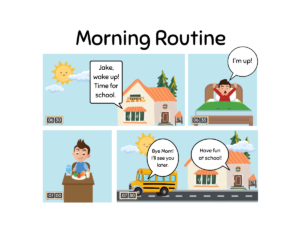
Children thrive on predictability. Begin a morning and bedtime routine at least two weeks before school opening. Practice waking at the time school starts, eating a similar breakfast, and leaving the house on schedule. Routines reduce surprise and make the first day feel familiar rather than chaotic.
Do a gentle school visit
If possible, arrange a short visit to the school or tadika before the opening day. Walk the path from home, peek at the classroom, meet the teacher, or attend any “open house” session. Seeing the playground, the uniform, or the school gate helps turn the unknown into the known and that dramatically lowers anxiety.

Role-play separation
Practice quick, loving goodbyes at home. Pretend you’re at the classroom door: hug, say a brief, upbeat goodbye line, and reassure them you’ll come back at a set time. Role-play keeps separations short and predictable so the real first-day parting feels like something they’ve already done many times.
Build simple coping tools
Help your child pack one small comfort item that the school allows — a small keychain on their bag, a family photo in a sealed pouch, or a labelled handkerchief. Teach a calming breath (inhale for three, exhale for three) or a secret “courage” squeeze of their water bottle. These little anchors can be powerful.
Communicate with the teacher
A quick chat or message to the teacher lets them know your child’s concerns and helpful routines (nap needs, food allergies, separation cues). Teachers appreciate practical notes and will often use that information to provide extra reassurance during the first days.
Practical school opening preparation
-
Label everything: uniforms, shoes, water bottles, and snack boxes, as these items can be easily misplaced. Proper labelling helps them return home safely.
-
Prepare uniforms and shoes the night before; check school rules on sock colour, name tags, and PE days.
-
Factor in traffic: give yourself extra travel time during the first week when drop-off patterns are new.
-
Pack a small, healthy snack and spare clothes for spills or sweaty play.
-
Check bus or van arrangements if your child uses school transport; meet the driver and note pick-up points.
Back to school checklist (ready-to-copy)
-
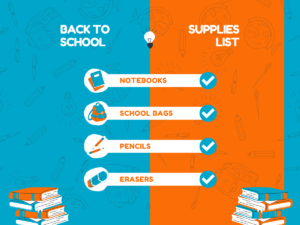
School admission documents and emergency contact list.
-
Labelled uniform, PE kit, and spare clothes.
-
Water bottle, lunchbox/snack, and any medication (clear instructions).
-
Stationery (pencils, eraser, colouring set).
-
Small comfort photo or token (if allowed).
-
Teacher contact number and school rules summary.
-
Bag name tag and a simple timetable pinned inside.
-
Practiced morning/bedtime routine for two weeks prior.

Keep goodbyes short and confident
The most difficult part for many parents is the urge to linger. Children often read a parent’s anxiety and echo it. Keep your goodbye calm, bright, and brief. A consistent, upbeat phrase “Have fun, I’ll pick you up at 12” — repeated each day gives reassurance through consistency.
Follow-up after school
Ask open, simple questions: “What was one fun thing you did today?” Avoid grilling them for details if they’re tired. Celebrate small wins like a new friend, a brave goodbye, a completed crayon drawing. If anxiety continues beyond two weeks, gently speak to the teacher; some children need a slower transition or extra support.
For working parents and caregivers
Coordinate with caregivers, grandparents, or the school van driver to ensure the same routine and reassuring language is used. Consistency across adults is the secret sauce that helps children settle faster.
Final thoughts
Preparing a child for the first day of school is part logistics, part emotional coaching. With school opening preparation, a clear checklist, and steady, loving routines, parents can help their children transform fear into curiosity. The journey from the school gate to the classroom is short, the confidence you build at home lasts a lifetime.