

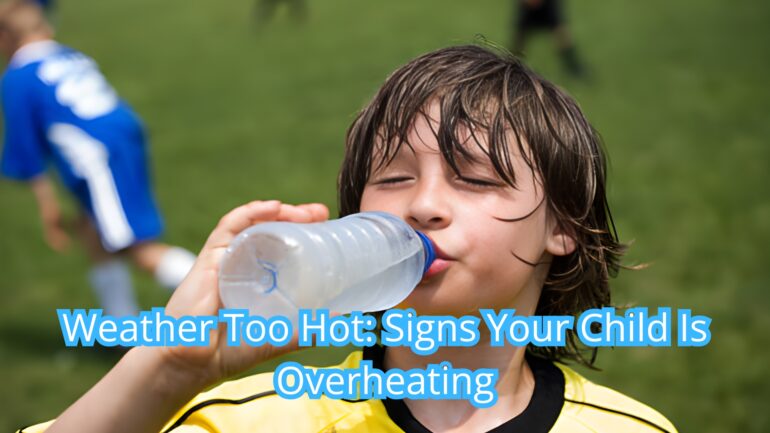
When the weather gets hot—especially in countries like Malaysia where the heat and humidity can feel relentless—children are more vulnerable to overheating than adults. Their bodies don’t regulate temperature as efficiently, and they often don’t know how to express discomfort clearly.
What makes this more concerning is that early warning signs are often subtle and easily overlooked. By the time obvious symptoms appear, your child may already be experiencing heat exhaustion.
Here’s a closer look at the signs many parents miss—and what you can do to keep your child safe.

Why Children Overheat More Easily
Children, especially babies and toddlers, have a higher body surface area relative to their size. This means they absorb heat faster. At the same time, their sweating mechanism isn’t fully developed, so their bodies struggle to cool down efficiently.
On top of that, kids tend to get absorbed in play. They may ignore thirst, fatigue, or discomfort—making it even more important for parents to spot early signs.
Subtle Signs Your Child May Be Overheating
1. Unusual Irritability or Fussiness
Sometimes, overheating doesn’t look like sweating—it looks like mood changes.
If your child suddenly becomes cranky, restless, or harder to soothe than usual, heat could be the hidden cause.
2. Flushed or Unusually Warm Skin
A child’s cheeks may appear red or feel hot to the touch, even if they’re not sweating heavily.
Many parents assume this is just from running around, but persistent warmth is a warning sign that their body is struggling to cool down
3. Reduced Energy or Sudden Fatigue
If your normally active child suddenly slows down, sits quietly, or asks to be carried, it may not just be tiredness—it could be early heat exhaustion.
4. Less Sweating Than Expected
It might sound surprising, but less sweat can actually be a red flag.
When a child is too overheated, their body may stop sweating effectively, which means heat is no longer being released properly.
5. Complaints of Headache or Dizziness
Older children might say they feel “funny,” dizzy, or complain about a headache.
These are early neurological signs that the body is overheating and needs cooling down immediately.
6. Faster Breathing or Heart Rate
You may notice your child breathing more quickly or seeming slightly breathless, even without intense activity.
This is the body’s way of trying to regulate temperature—but it also signals stress.
7. Dry Lips or Reduced Urination
Dehydration often goes hand-in-hand with overheating.
If your child hasn’t urinated for a while or their lips look dry and cracked, it’s a sign they need fluids urgently.

When It Becomes Serious
If overheating progresses, symptoms can escalate into heat exhaustion or even heatstroke. Watch out for:
- Vomiting
- Confusion or unusual drowsiness
- Very hot, dry skin
- Fainting
These require immediate attention and, in severe cases, medical care.
What Parents Can Do Immediately
If you notice early signs, act quickly but calmly:
- Move your child to a cooler, shaded, or air-conditioned area
- Offer small, frequent sips of water
- Remove excess clothing
- Use a damp cloth or lukewarm sponge to cool their body
- Let them rest and avoid further activity
Avoid using ice-cold water, as it can shock the body.
Everyday Prevention Tips
Preventing overheating is always better than treating it:
- Dress your child in light, breathable clothing
- Encourage regular water intake—even if they don’t ask
- Avoid outdoor activities during peak heat (11am–4pm)
- Take frequent breaks during playtime
- Ensure proper ventilation at home